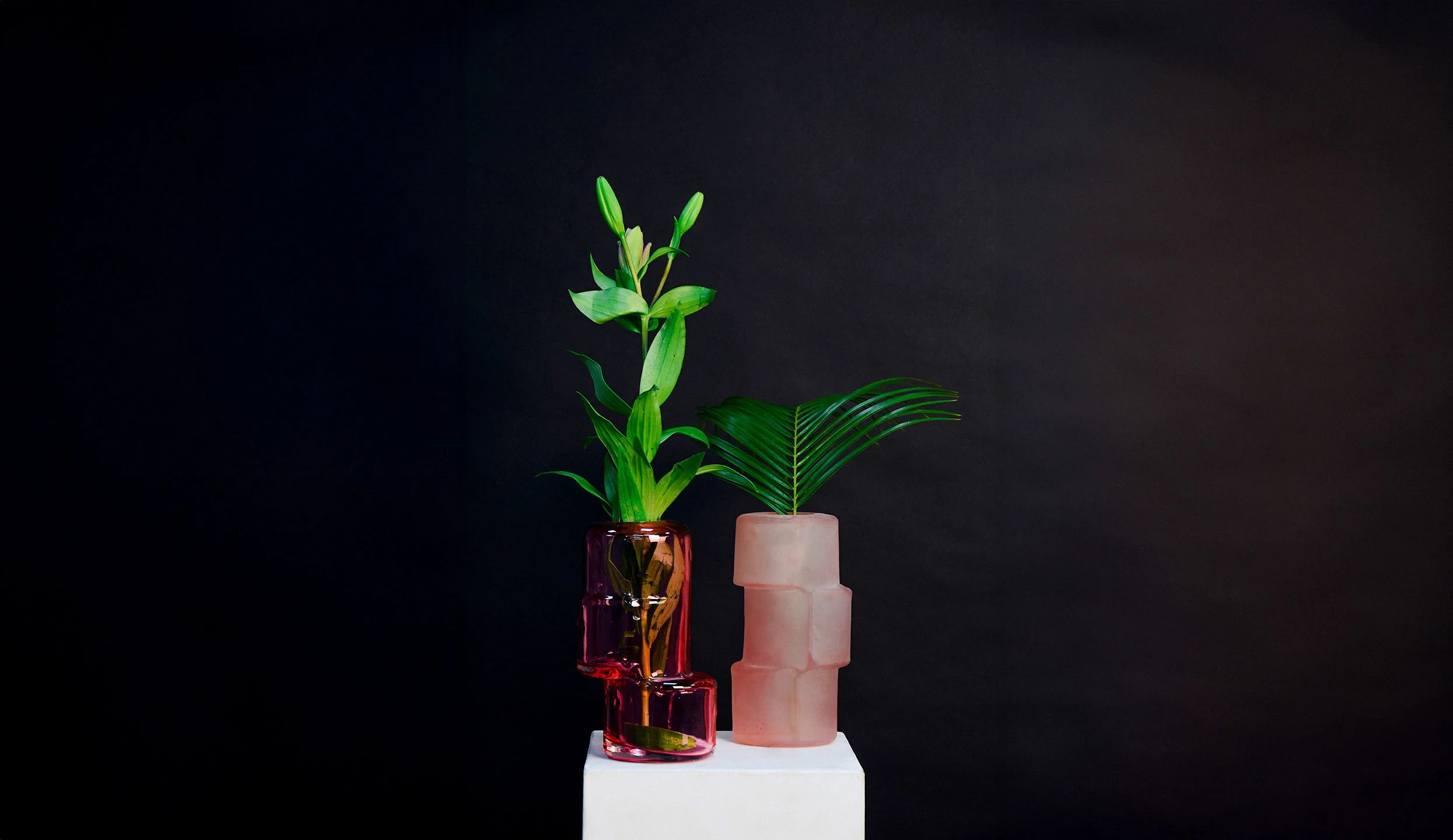
Shifted Form [Glass]
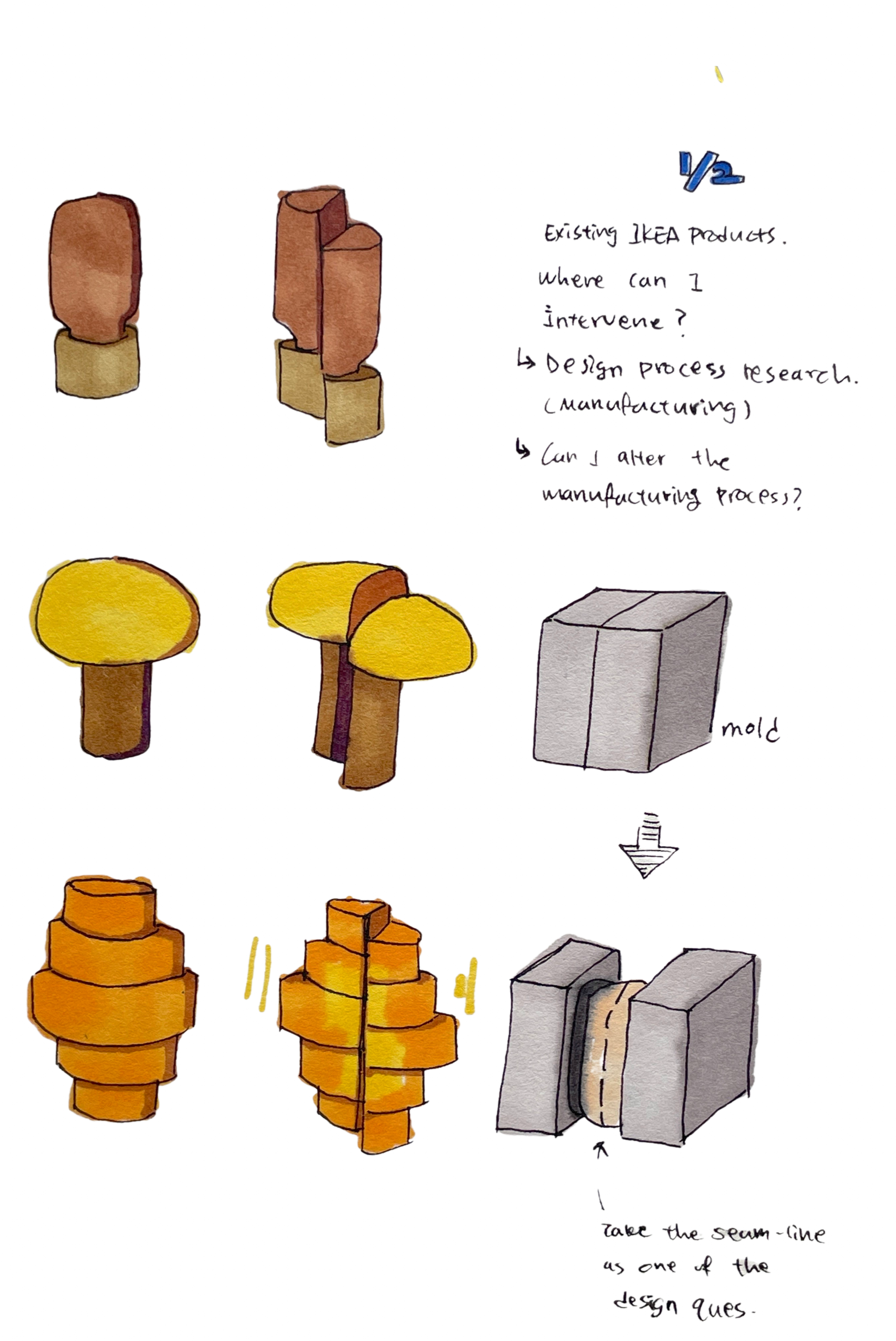
Shifted Glass is my latest experiment in blending tradition with a twist of unpredictability. Inspired by my earlier project, ‘Shifted Form [Ceramic]’, I used a modular plaster mold to shake up the usual glassblowing process, letting each piece take on its own unique form.
Modular Mold for Variability
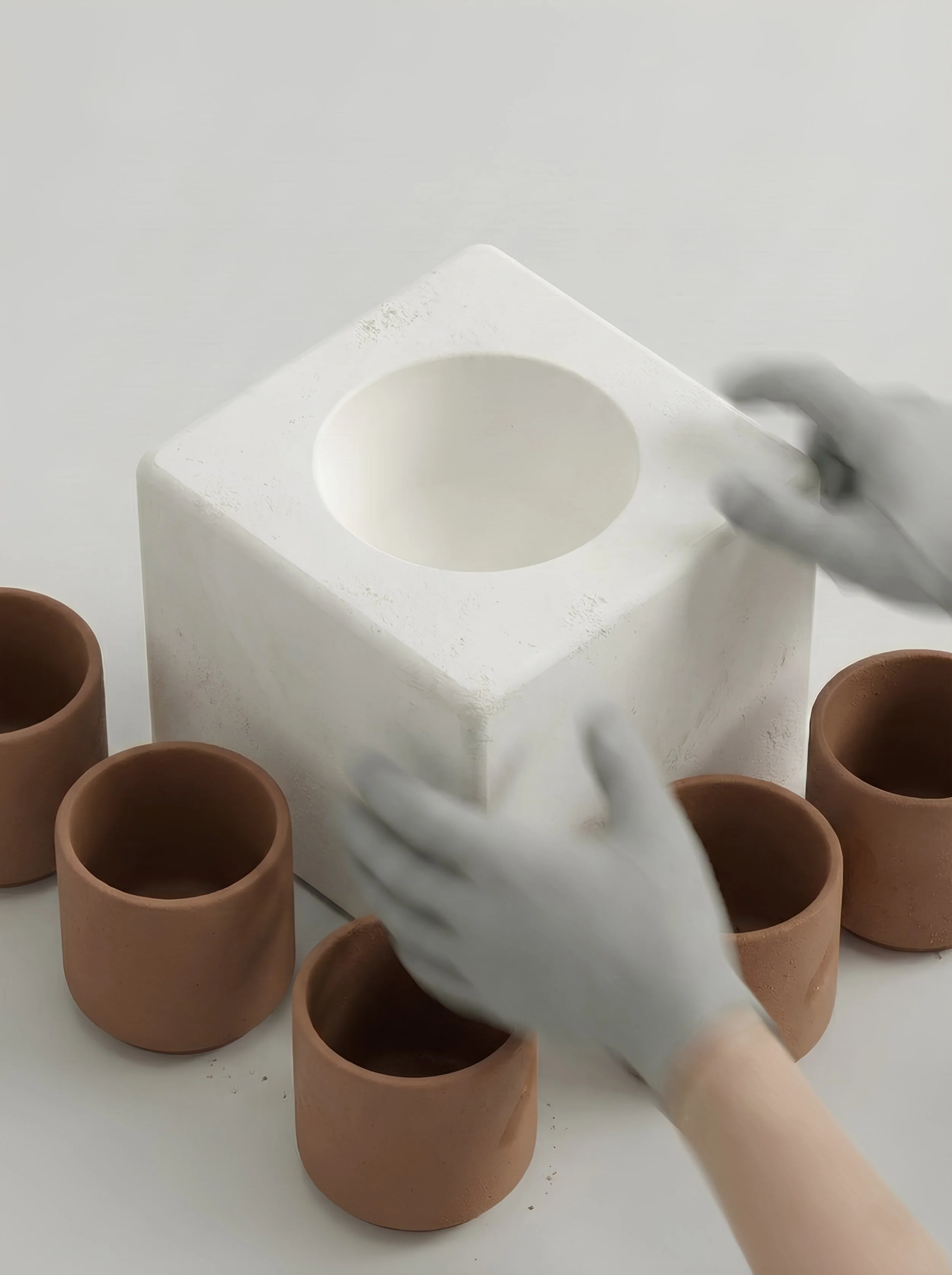
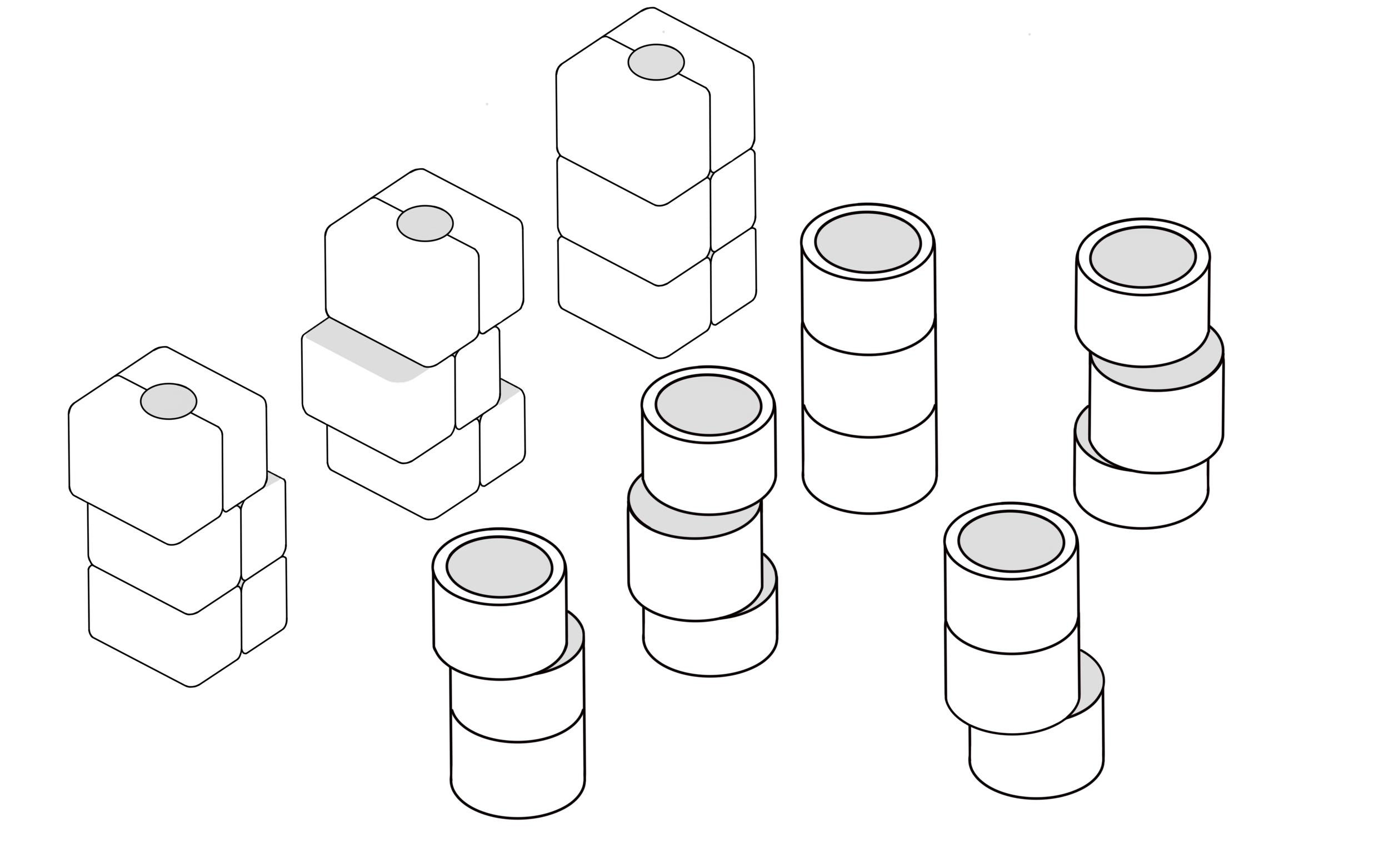
Shifted Glass is my latest experiment in blending tradition with a twist of unpredictability. This project is about Overcoming the limitation of traditional mold systems that produce only a single, fixed design. By introducing a modular mold structure, the system enables the creation of similar yet distinct pieces, allowing each outcome to remain unique while maintaining consistency.

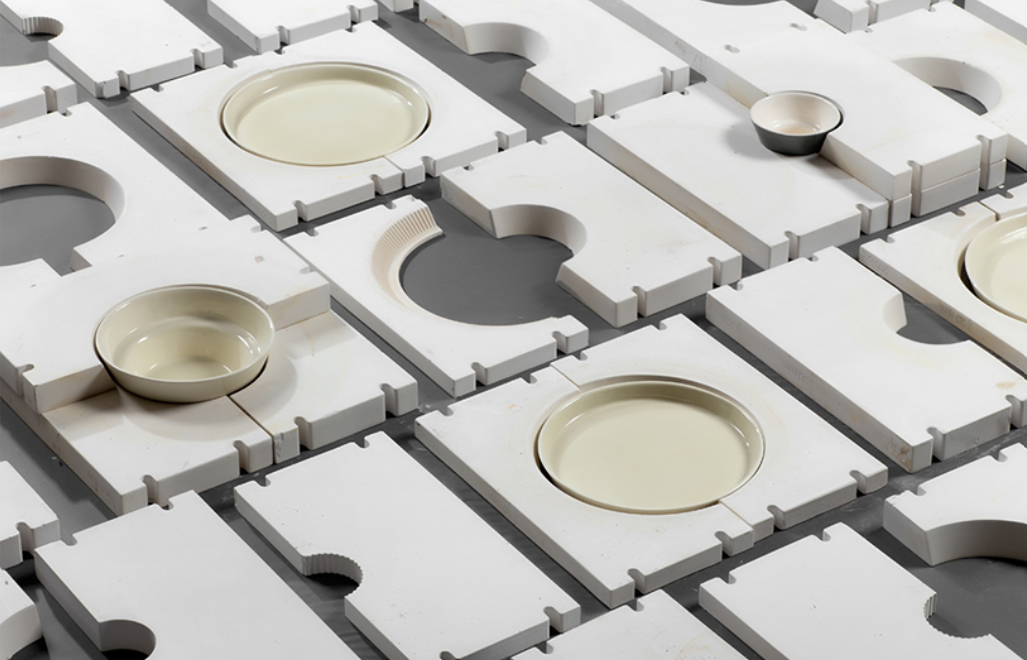
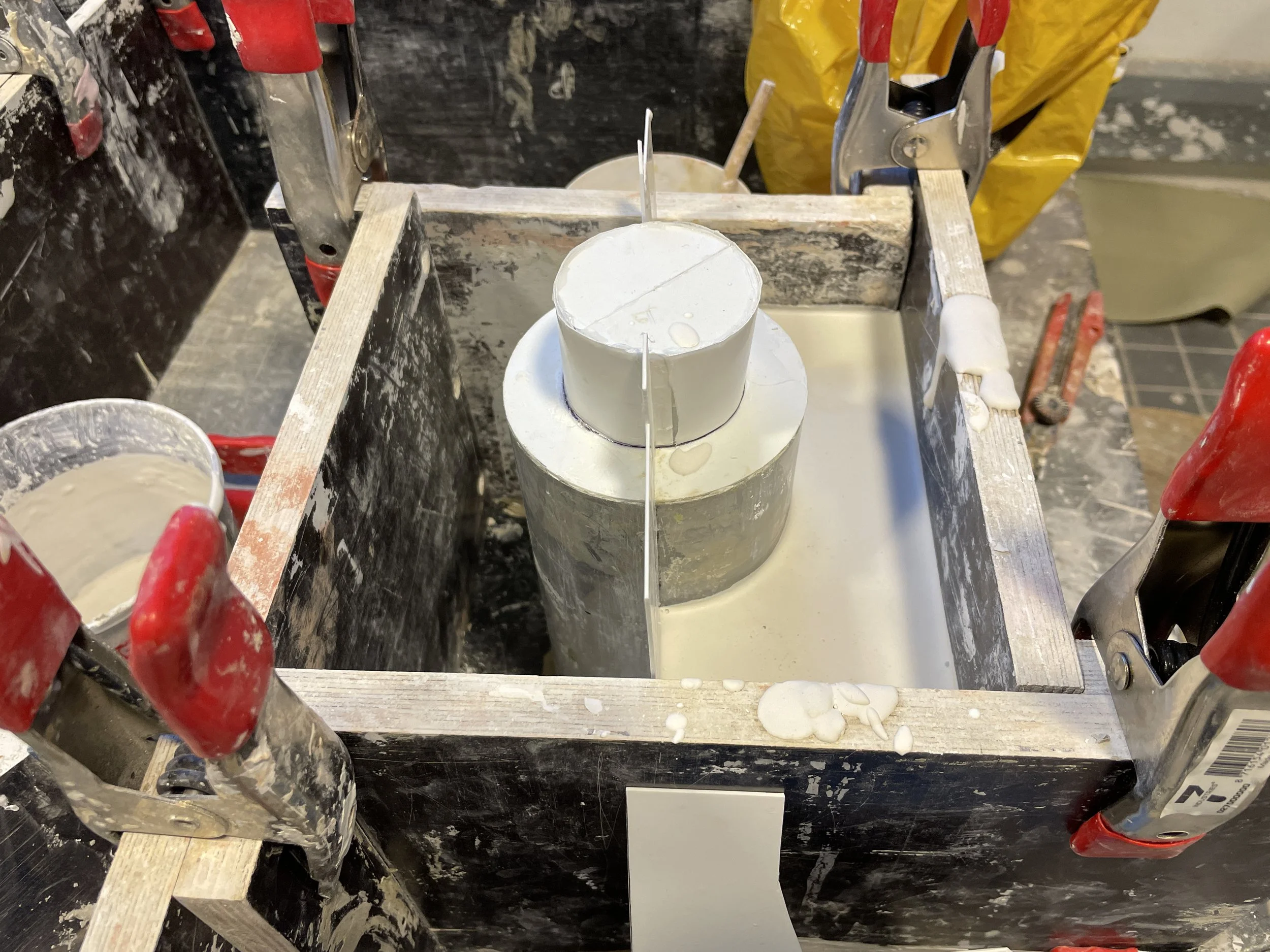
1. Plaster + Silica Recipe
A heat-resistant mold made by mixing silica, water, and plaster in a 1:2:3 ratio to withstand extreme glass-blowing temperatures.
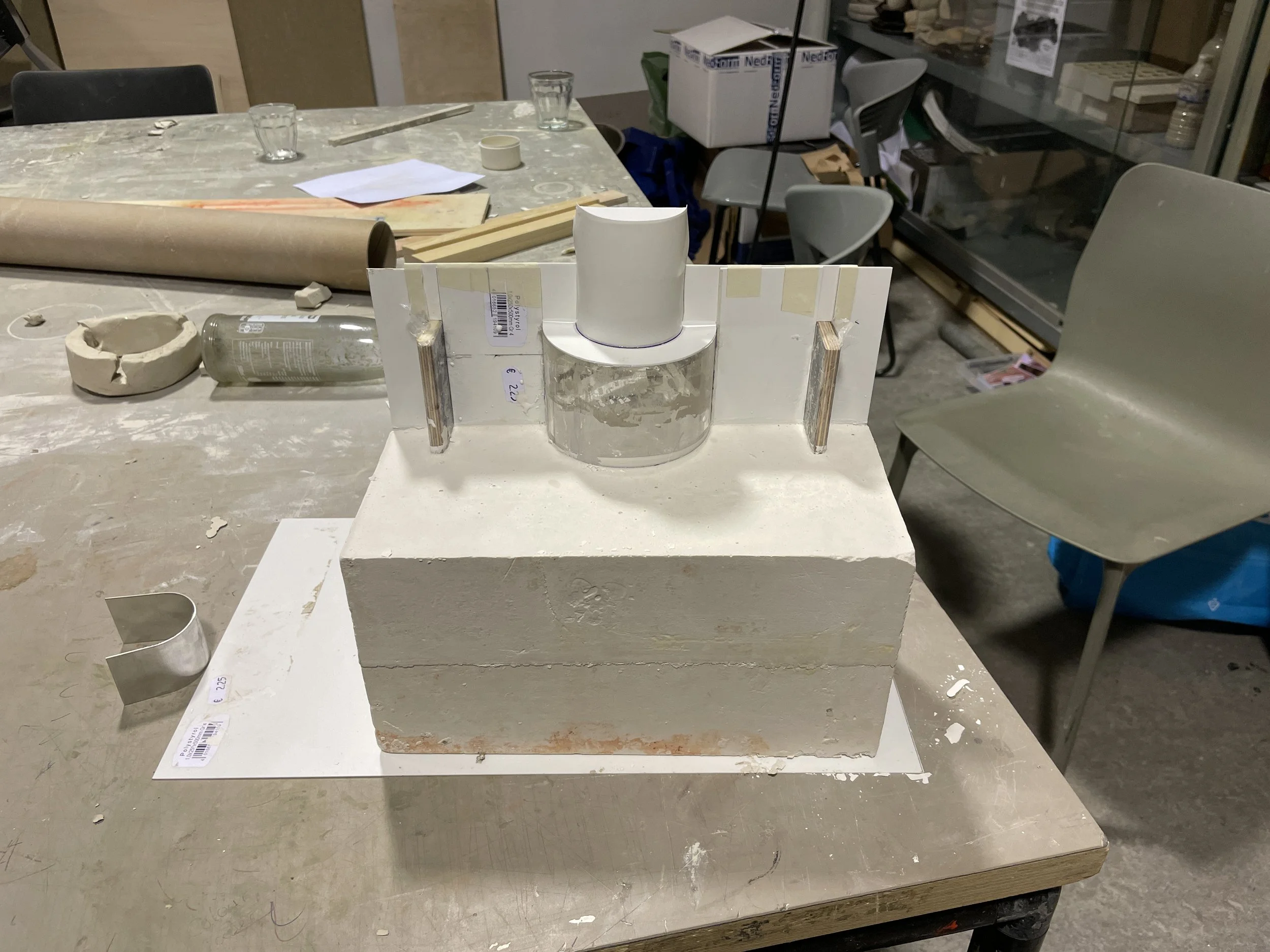
2. Making layered molds
Modularity emerges from uniformity: create one mold, let it set, apply soap, then pour the next layer.
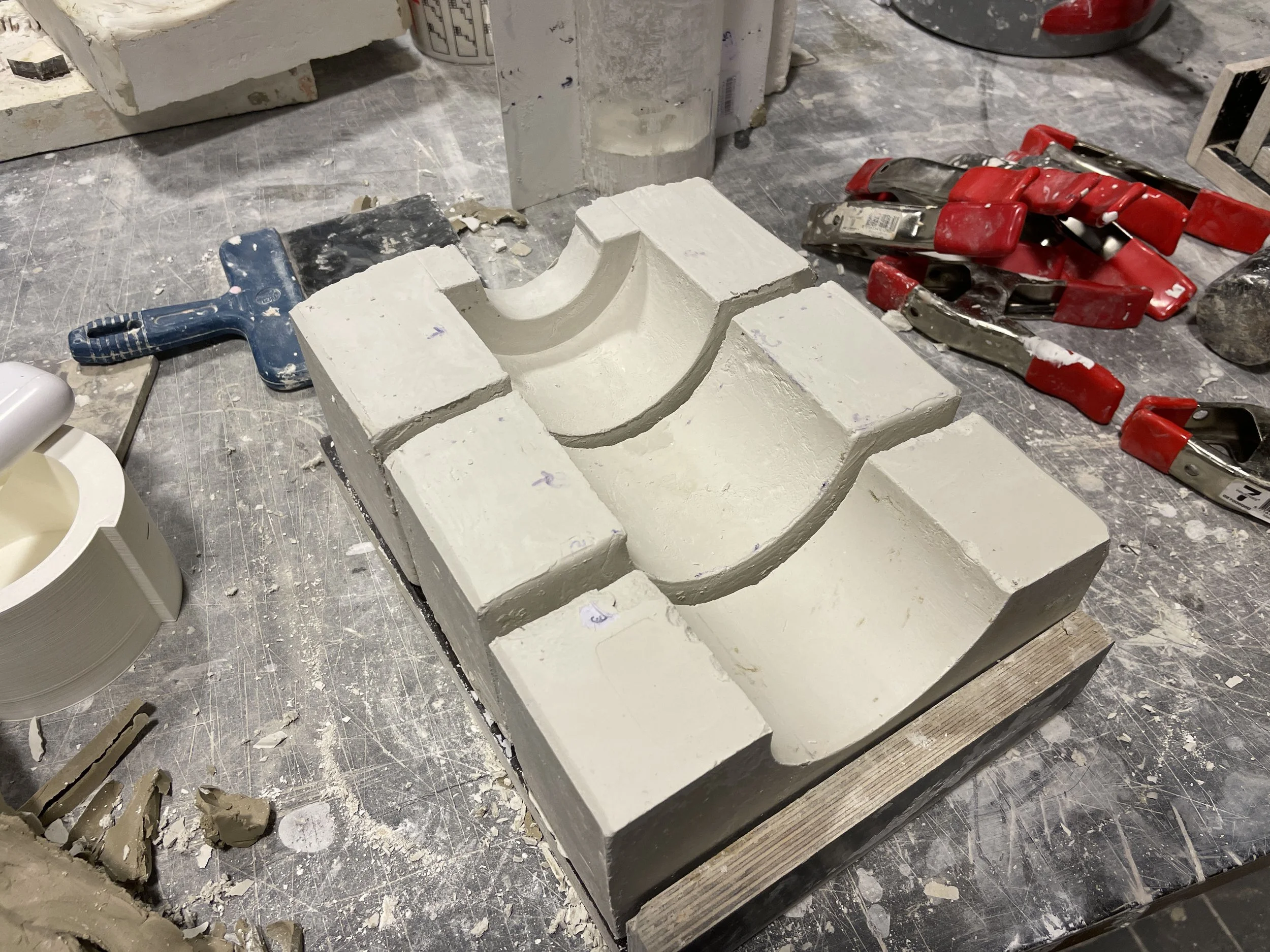
3. Check for small cracks
Broken surfaces create weak points in the final outcome; ensure all surfaces are smooth.
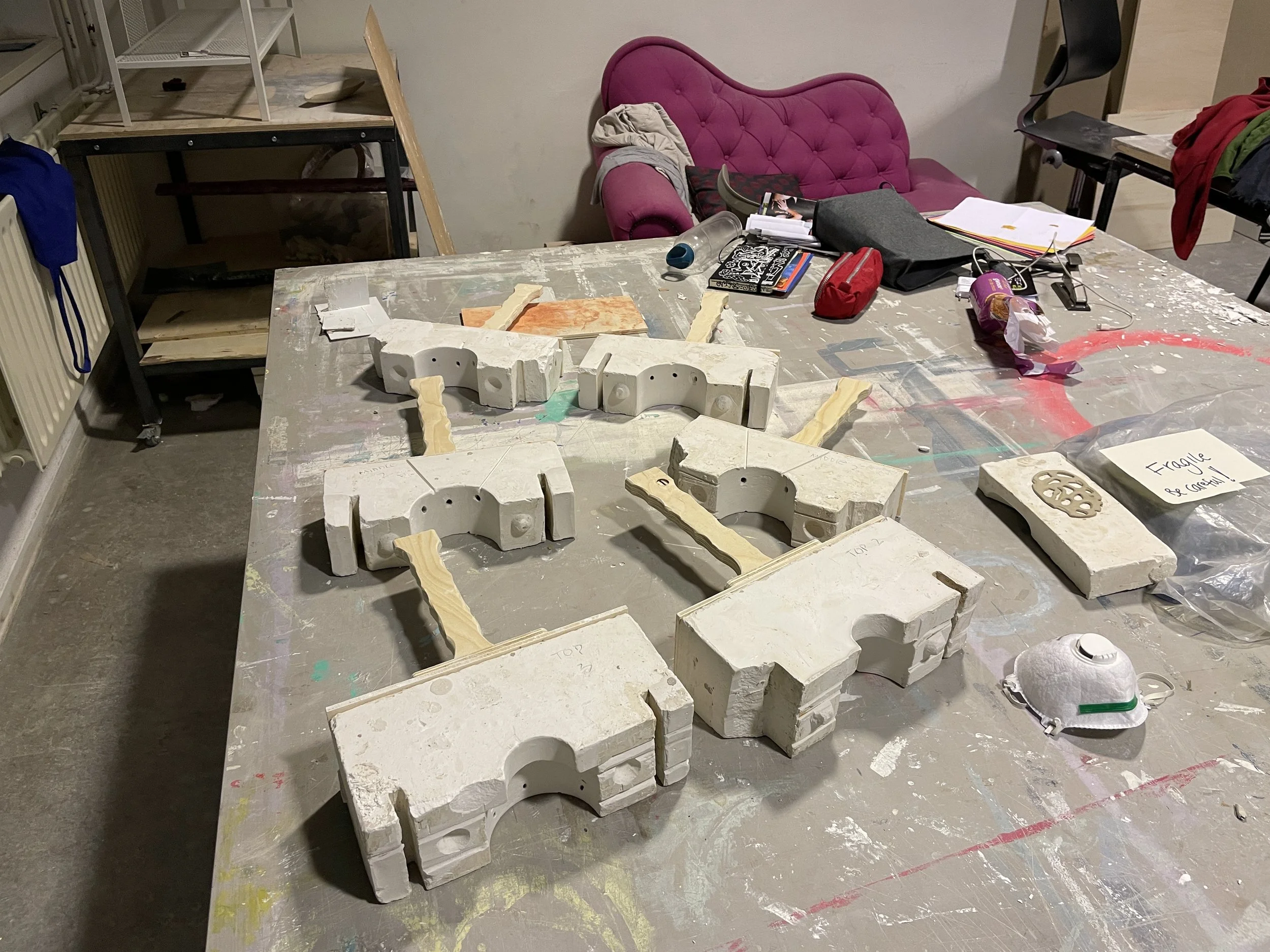
4. Dry the molds.
Dry all molds at room temperature for two days to ensure complete drying and maximum heat durability.
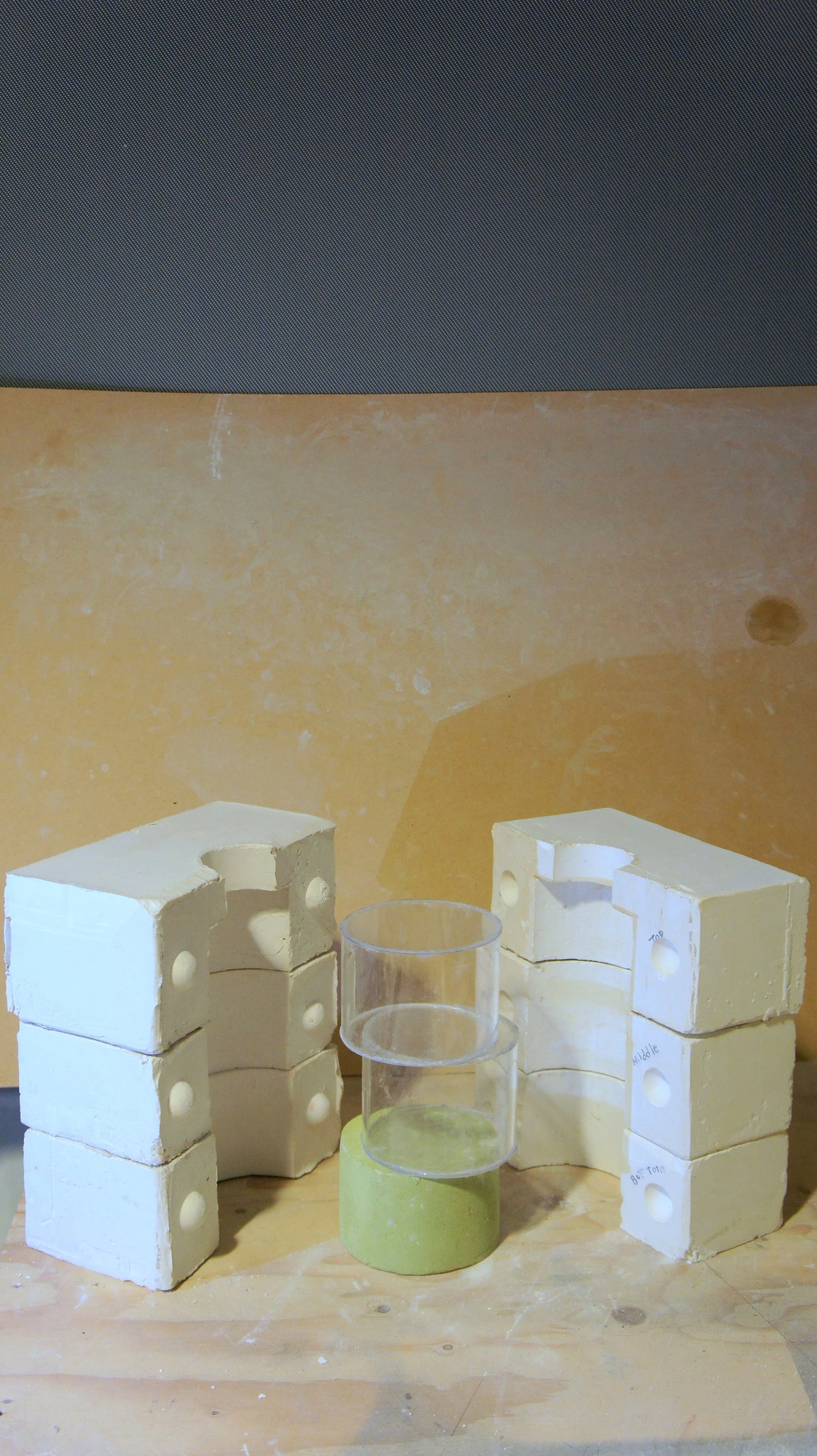
5. Testing size
The plaster mold slightly shrinks after drying; double-check that the original prototype still fits the final mold.
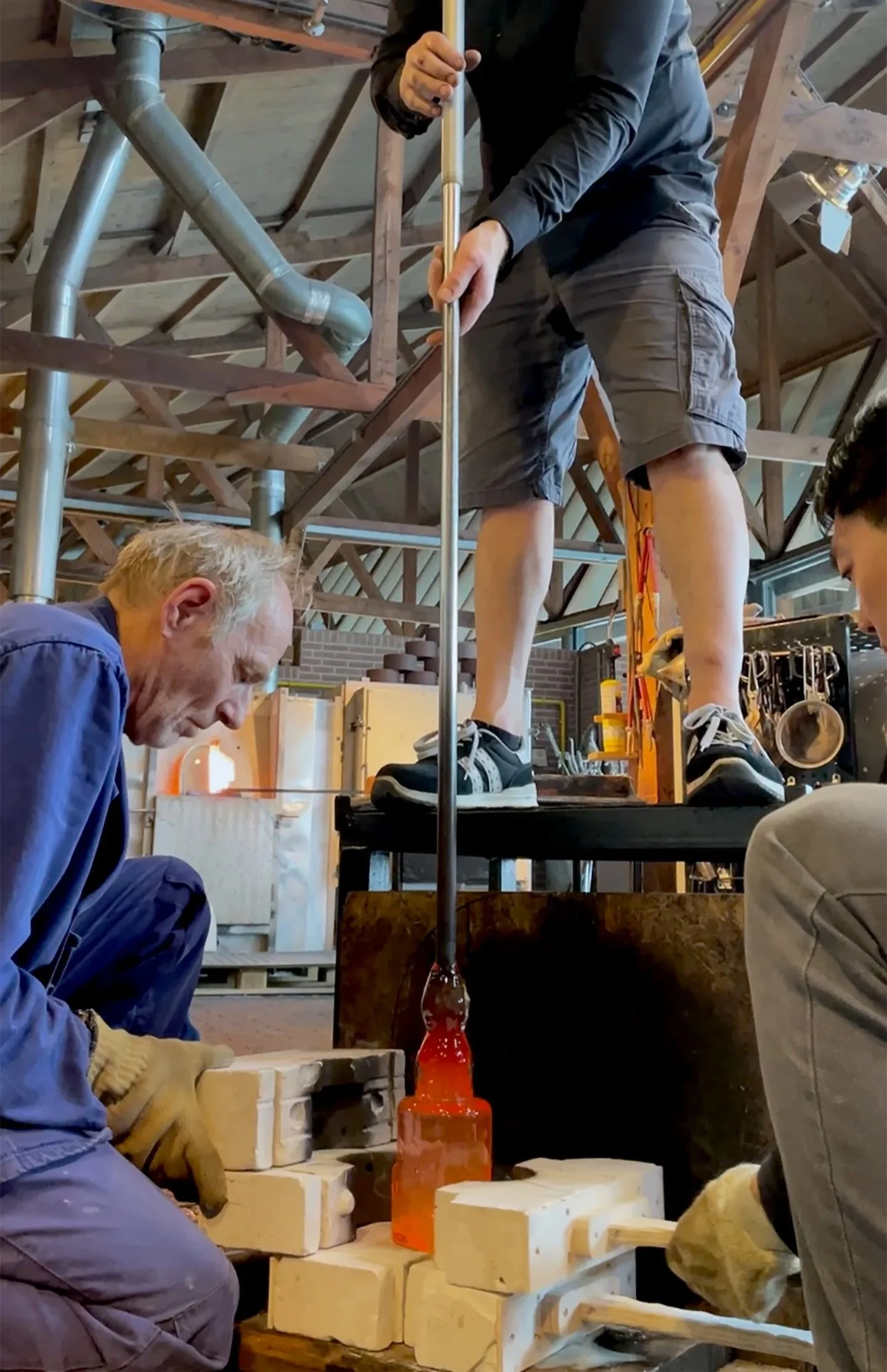
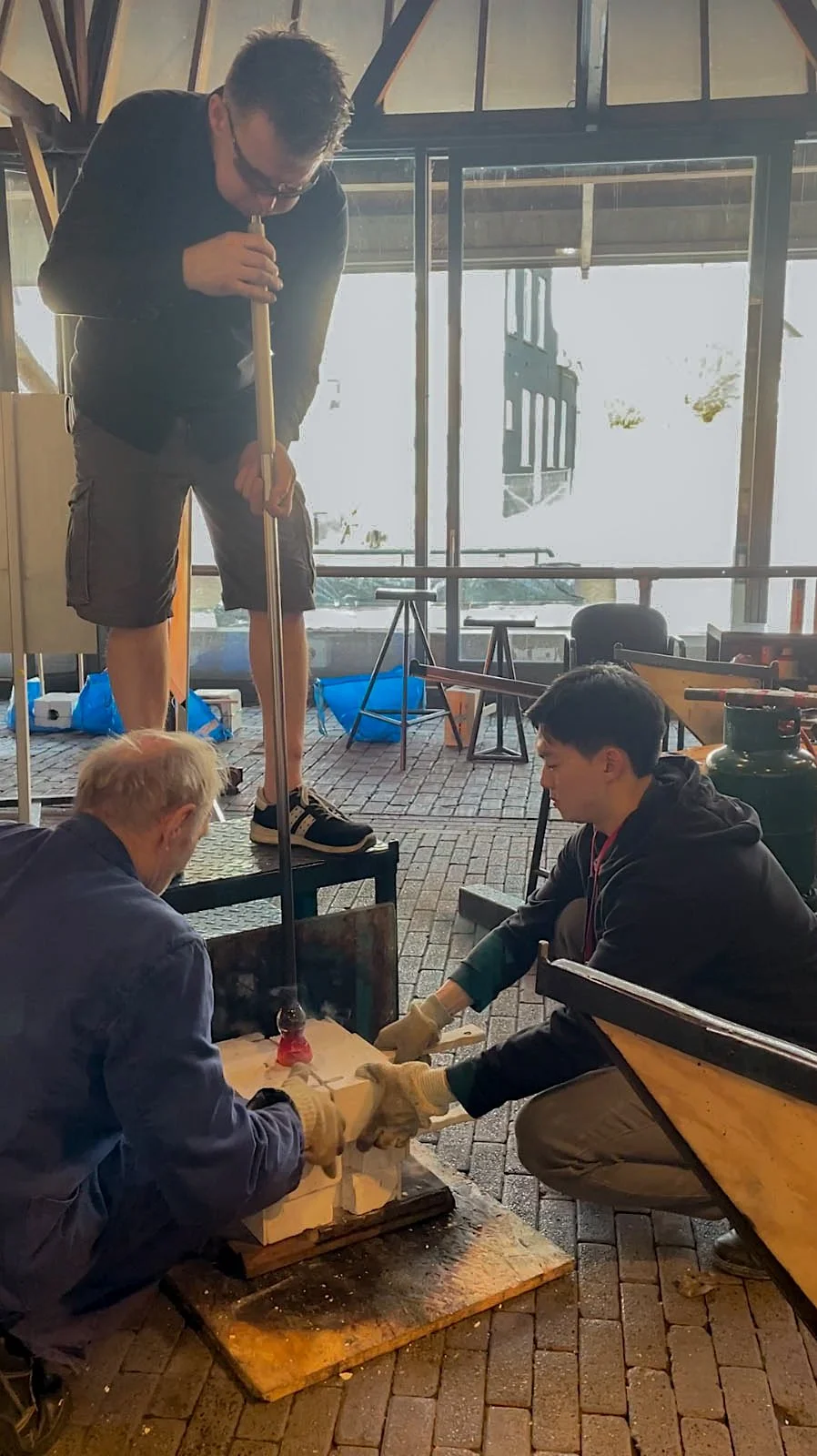
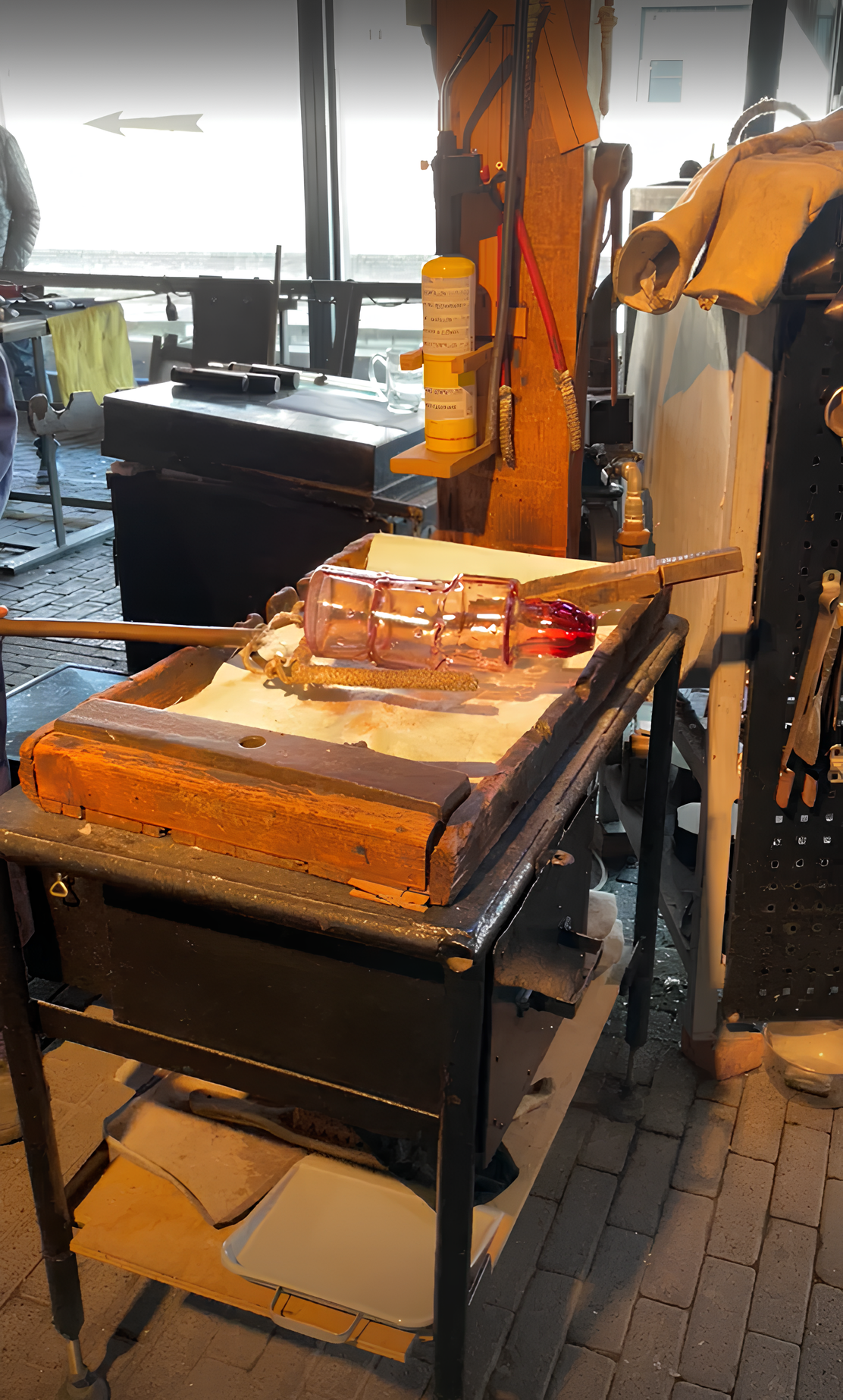
Last Step: Glass blowing into the Modular mold
One mold, producing 3-5 unique pieces
Produced in collaboration with The Glassworks Leerdam, Netherlands
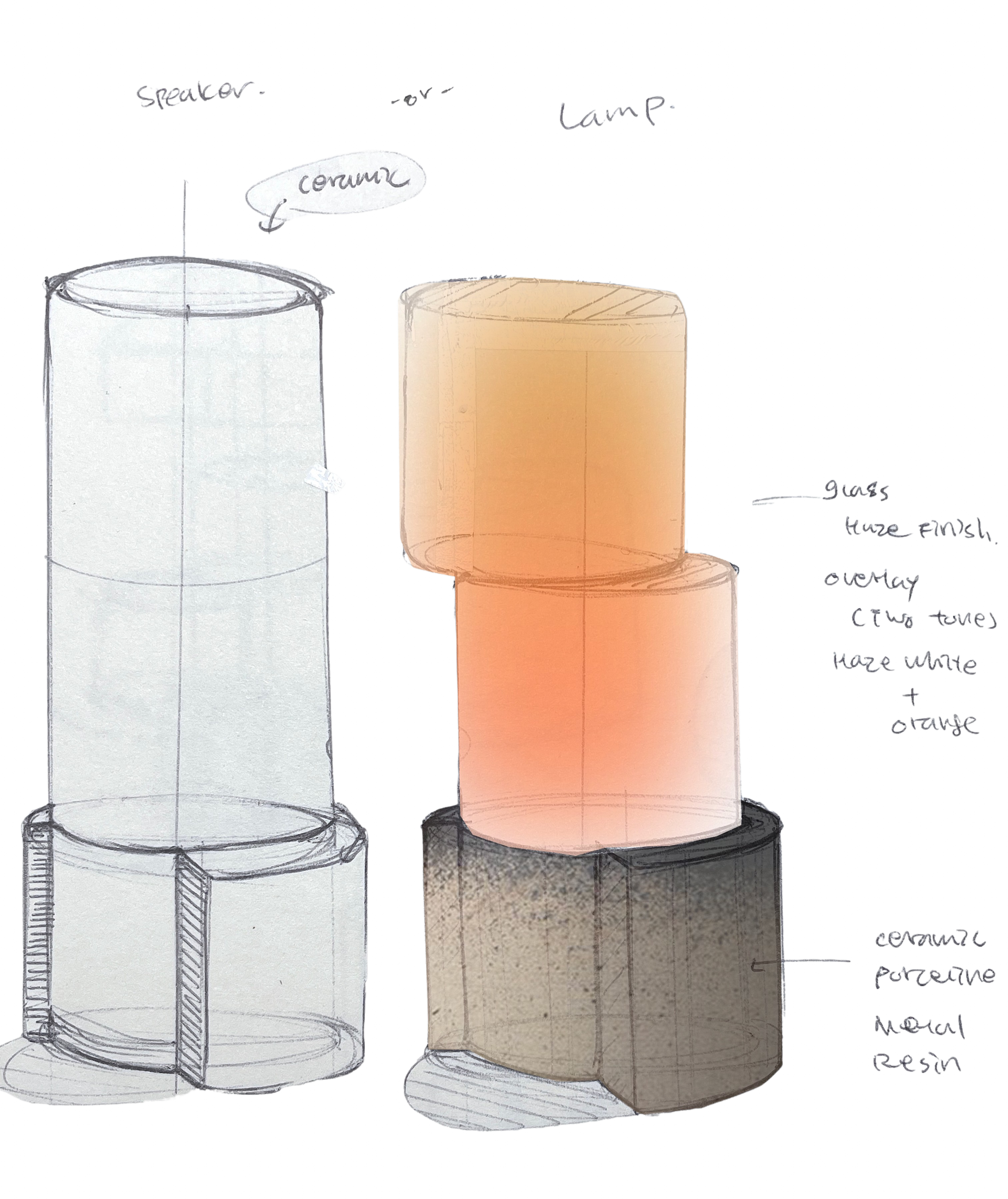
Material of choice - Glass
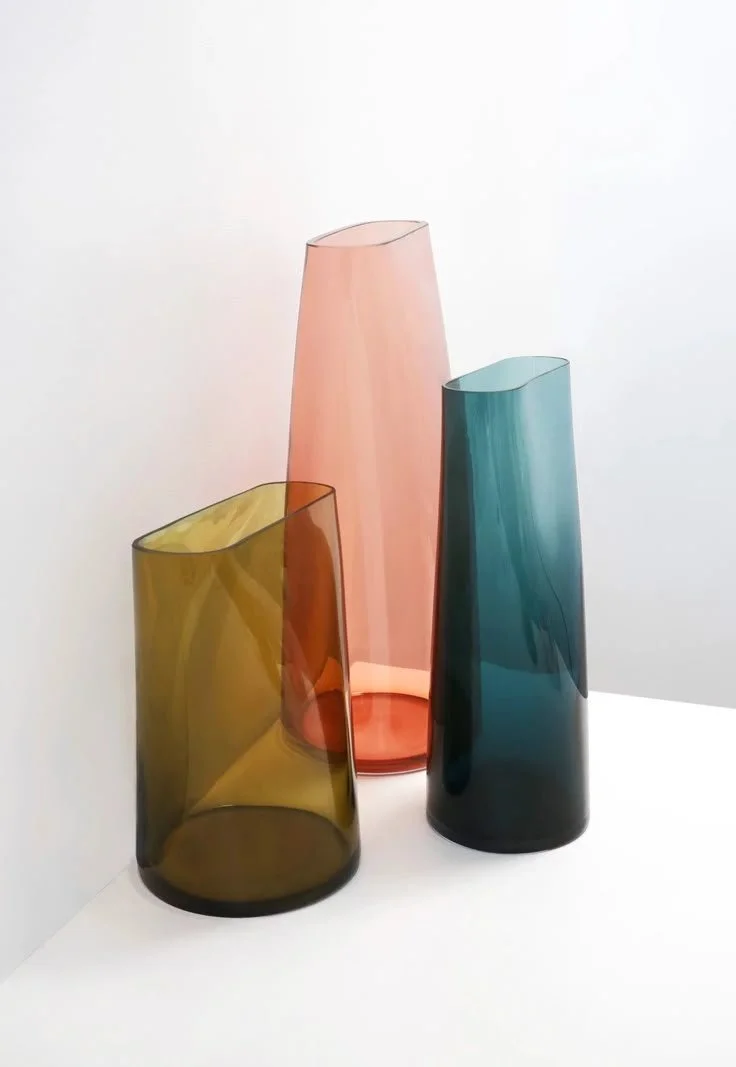
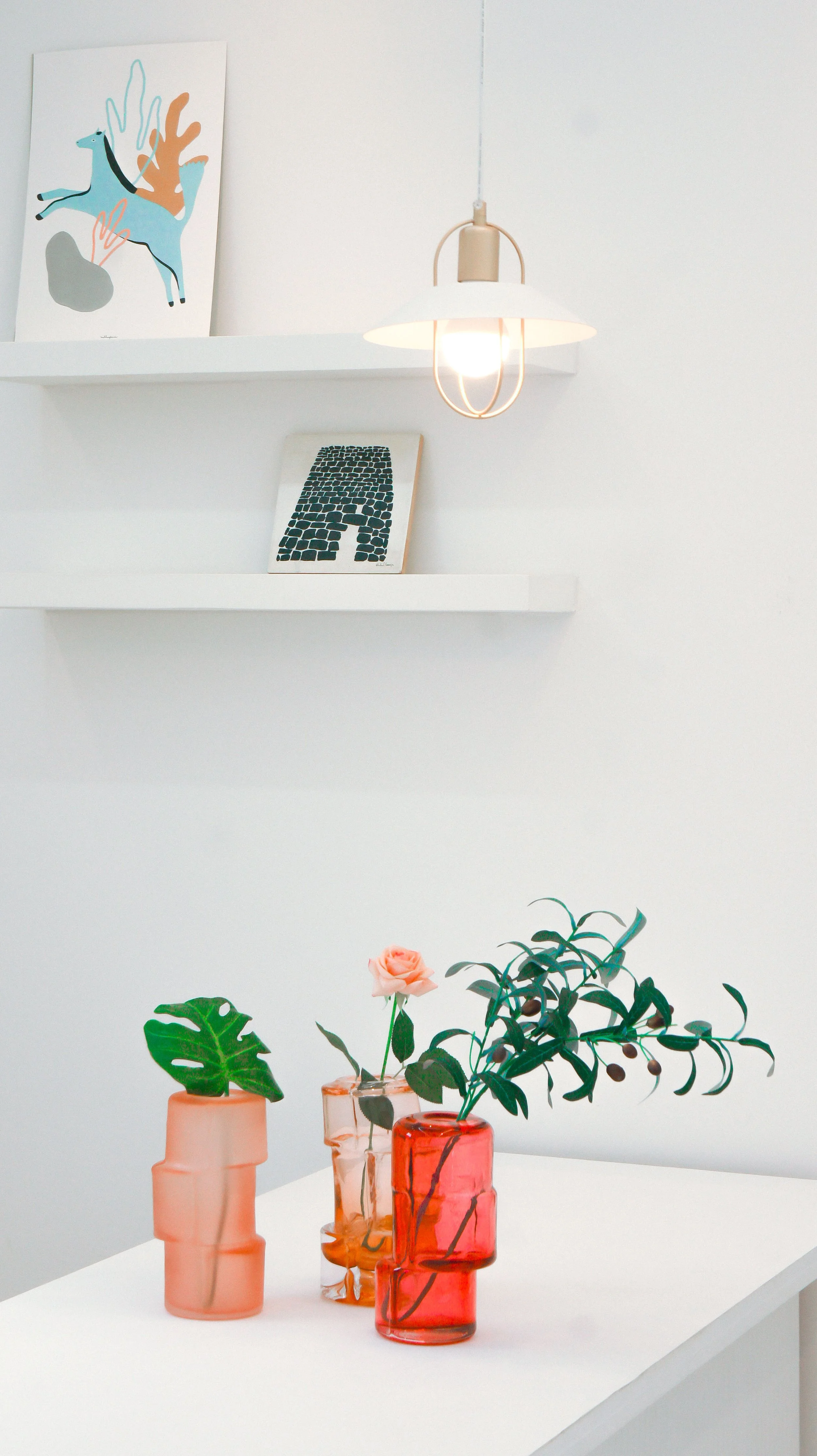
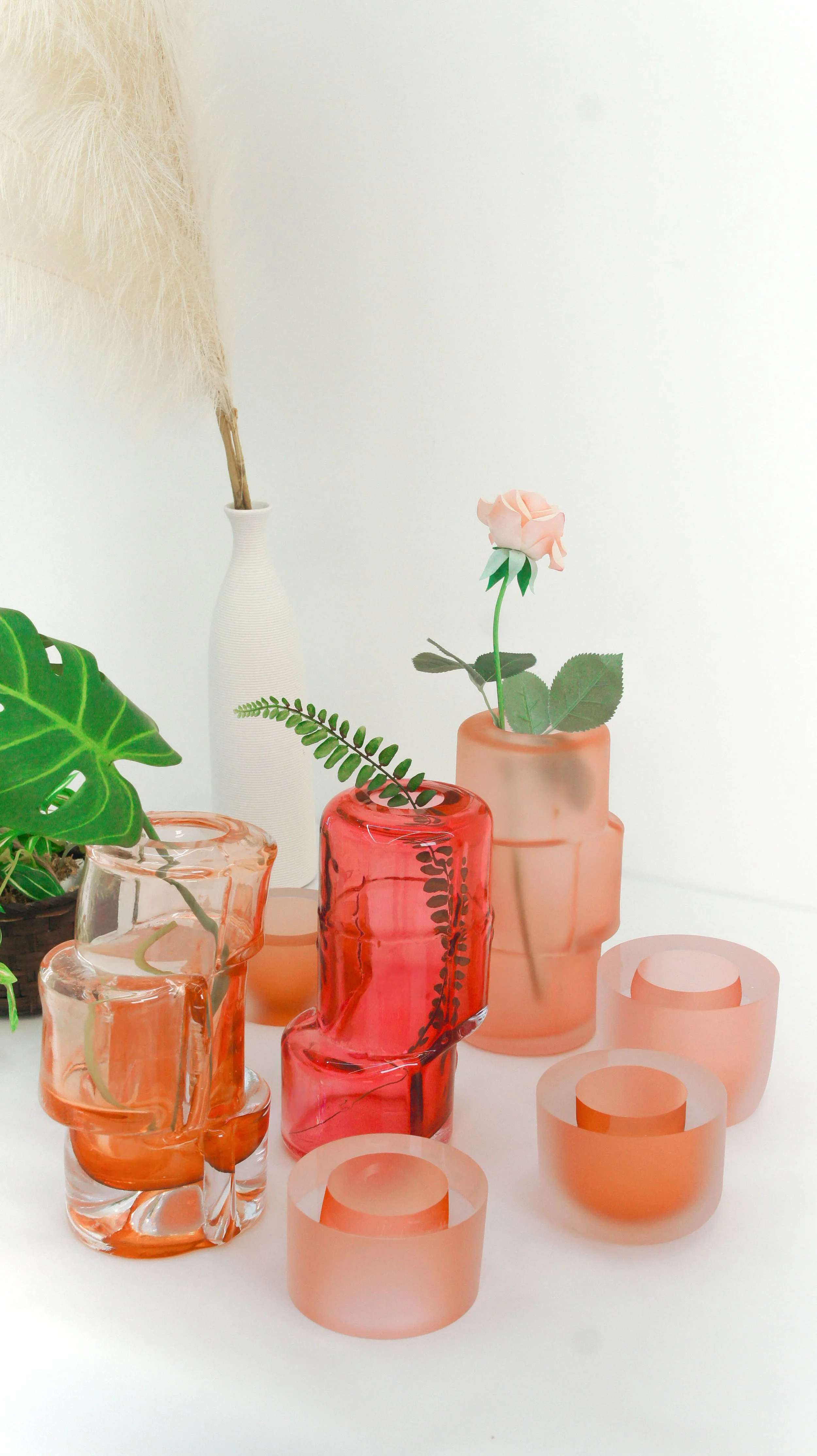
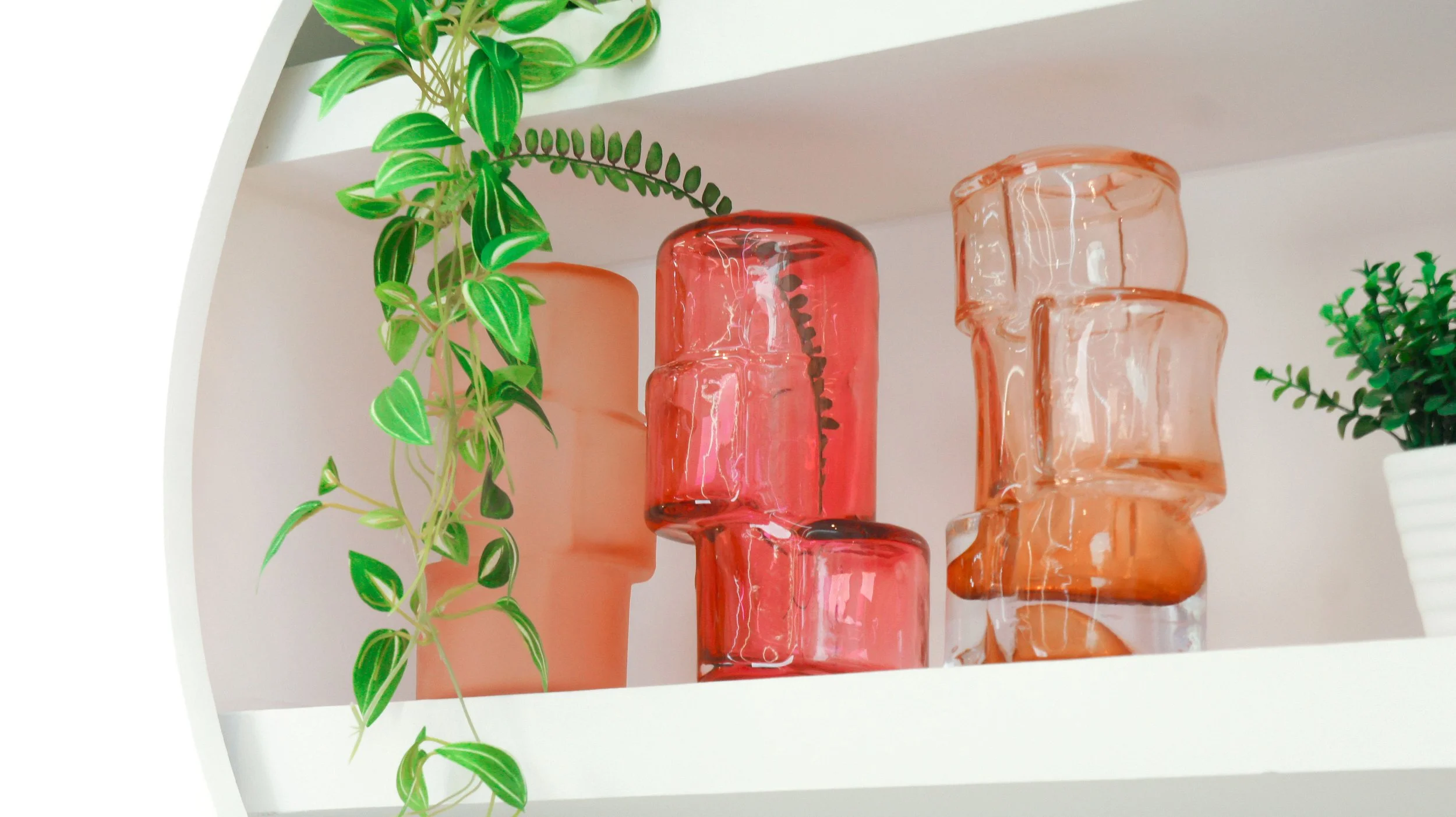
I chose glass for its versatility and ability to capture both light and color in striking ways - qualities that ceramics can’t quite replicate. I selected bold, complementary colors to make each object stand out, while still feeling part of a cohesive group.
The finishes range from glossy, light-catching surfaces to matte areas created with sandblasting, adding another layer of contrast and tactile interest.
Exhibition
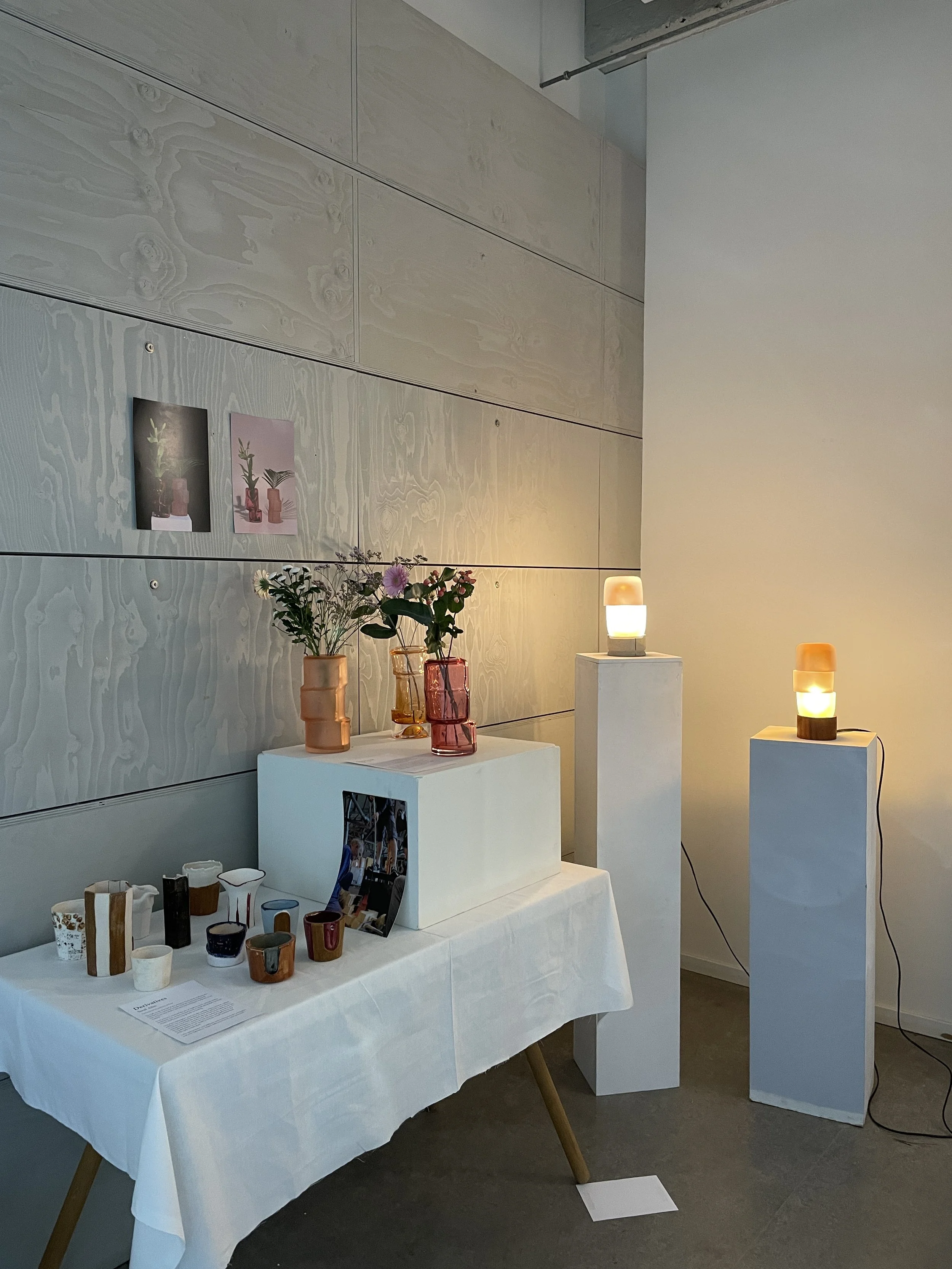
Dutch Design week
Open Day Design Academy Eindhoven
Glasswork Leerdam